Bexley Council Permits for Welling Removals Explained
Posted on 22/06/2026
If you are planning a move in Welling, the permit question can feel oddly stressful for something that sounds so administrative. One minute you're thinking about boxes, the next you're wondering whether a van can stop outside the property without causing trouble. This guide on Bexley Council Permits for Welling Removals Explained breaks the whole thing down in plain English so you can plan your move with fewer surprises, less faff, and a lot more confidence.
In practice, parking and loading permissions are usually about two things: keeping your removal vehicle legal and keeping the move moving. That sounds simple, but the details matter. A short stop in the wrong place can lead to delays, a ticket, or a very awkward morning. Let's make it clearer.
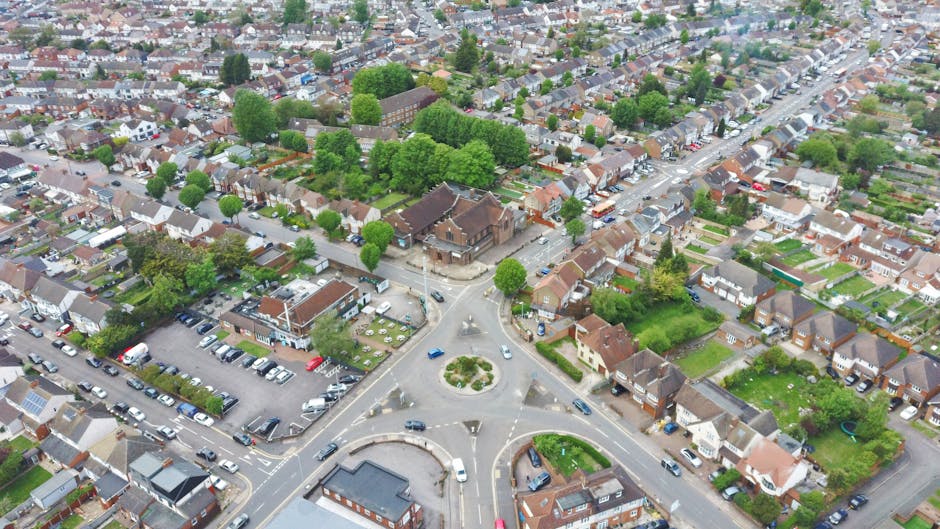
Why Bexley Council Permits for Welling Removals Explained Matters
Welling moves often look straightforward on paper. In real life, though, streets can be tight, kerb space can be limited, and neighbours still need access. That is where parking permissions and loading arrangements start to matter. If a van needs to stop on a restricted road, a bay, or close to a junction, the move may require the right permission or at least careful planning around existing restrictions.
Why does this matter so much? Because removals are time-sensitive. You have furniture in the hallway, the lift may be booked, the cleaners may be waiting, and the keys are due back by lunch. A permit issue can slow the whole chain down. It's a bit like packing the kettle at the bottom of the box pile: not fatal, just inconvenient in the most annoying way possible.
For local jobs, especially in busier parts of Welling, it's wise to think about access before you think about loading order. That includes knowing whether your vehicle will fit, whether double yellow lines are nearby, and whether a temporary suspension or bay arrangement could help. If you're also preparing fragile items, you may want to pair this planning with these packing tips for staying organised and a sensible decluttering pass using a pre-move decluttering routine.
There is another reason this topic matters: a calm move usually comes from small, boring decisions made early. Permits, access, timing, loading order, and route choice all sound unglamorous. They are. They also save you a lot of grief.
How Bexley Council Permits for Welling Removals Explained Works
First, the key point: not every Welling move needs a permit, and not every permit is the same thing. People often use "permit" as shorthand for several different access issues. That can include controlled parking, loading bays, suspension of a parking bay, or special arrangements for a removal vehicle.
In simple terms, the process normally works like this:
- You check the exact parking conditions outside the property and along the likely loading point.
- You decide whether the move can be completed legally with normal loading only, or whether a parking restriction or bay issue could cause a problem.
- You plan for the right type of access support, if needed, well before moving day.
- You keep all vehicle dimensions, arrival times, and access limits in mind when booking the removals.
That sounds neat on paper. On the street, it gets a little messier. A bay may be available in the morning but busy by midday. A street may seem wide enough until the van turns in and the kerb angle becomes awkward. If you're moving heavy items, that matters even more. The way you position the van can affect how many steps your team must carry everything. And yes, those extra steps add up fast.
For larger furniture, it helps to think beyond parking alone. The route from vehicle to front door matters too. If you're handling a sofa, mattress, or wardrobe, you may find it useful to read sofa storage and handling advice alongside bed and mattress moving guidance. The permit side and the lifting side are linked more than people expect.
Where people get caught out is assuming the rules are identical on every road. They are not. That's why checking the immediate location matters more than making broad assumptions about the area. A van-sized gap is not always a van-friendly gap. Small distinction. Big impact.
Key Benefits and Practical Advantages
Getting the permit and access side sorted early gives you more than legal peace of mind. It improves the whole move.
- Less risk of fines or interruptions: If your vehicle is stopping where it shouldn't, everything becomes more expensive and less predictable.
- Faster loading and unloading: The right stopping point can shave minutes off every trip between house and van.
- Better protection for furniture: Shorter carry distances reduce the chance of bumps, scrapes, and dropped corners.
- Less stress on the day: Truth be told, a move feels easier when the van has a proper place to stand.
- More accurate booking: Once access is understood, the removal team can send the right van, right crew, and right timing.
Another practical upside is smoother coordination with other moving tasks. If you're also arranging storage, a permit-aware move helps with handovers and transfers. That can be especially useful if you are using storage in Welling as part of a staged move, or if you need help from local removal services in Welling that can plan the logistics end-to-end.
There is also a quieter benefit: confidence. You stop second-guessing the day. You know the vehicle can stop, the crew can work, and the route is planned. Nice and simple. Well, simple-ish.
Who This Is For and When It Makes Sense
This topic is relevant to anyone moving from or within Welling where street access is tight, parking is controlled, or the removal vehicle may need to load from the road rather than a driveway. That includes:
- house movers on terraced or semi-detached streets
- flat movers where frontage space is limited
- students moving in and out with luggage, boxes, and small furniture
- office relocations with equipment that needs kerbside access
- households with bulky items such as wardrobes, beds, and pianos
- anyone booking a same-day or short-notice move
It makes the most sense when the property has no private parking, when the van is larger than a standard car, or when the street already has signs indicating loading limits. If you are not sure, it is usually safer to assume access could be an issue until you've checked properly. That sounds cautious because it is.
For example, if you're moving from a flat with narrow stairs, the van position can affect how many times you carry each item. If the lift or stairwell is awkward, every extra metre becomes more noticeable. In that situation, reading advice for narrow-stair moves in Welling terraced homes can save a lot of back-and-forth on the day. And if your move is tied to student accommodation or term-time timing, student removals in Welling may be the right service context to think about.
One small but common scenario: a customer has a parking bay outside, but the bay is shared or time-restricted. That's exactly the kind of detail that turns a "we'll just park there" plan into a very slow morning. Been there, seen that, not ideal.
Step-by-Step Guidance
If you want a practical route through the permit question, use this process.
1. Check the actual parking situation outside the property
Stand outside and look at the road as if you were the van driver. Is it a single yellow, double yellow, loading restriction, residents' bay, or unrestricted space? Is the road narrow enough that one parked car blocks a lane? You want the real-world picture, not just the postcode on a map.
2. Measure access, not just distance
Measure the gap from the vehicle stopping point to the front door. Also think about steps, slopes, kerbs, turning points, and door width. A short carry across a wide pavement is much easier than a "short" carry down three awkward turns and a narrow porch. The tape measure earns its keep here.
3. Confirm vehicle size and loading needs
The right van matters. A smaller vehicle may fit better on-street, but it may require more trips. A larger vehicle may reduce trips but need more careful stopping arrangements. Choosing between a man with a van in Welling and a larger removal van in Welling is partly about the vehicle, partly about access, and partly about how much time you have.
4. Plan for loading windows
If the road has busy periods, school traffic, or commuter flow, choose your loading time carefully. That can be just as important as the permit itself. Early morning often helps, but not always. Busy roads like main routes can behave differently by day and time, so the best slot is the one that combines legal access with low disruption.
5. Decide whether you need professional help
If the paperwork, parking, and lifting side are all getting a bit much, professional movers can manage the sequence for you. It is not just about muscle. It's about timing, access, and avoiding avoidable mistakes. If you're comparing options, removal companies in Welling and man and van services in Welling can suit different move sizes and risk levels.
6. Keep the move plan in writing
Even a simple note helps: vehicle type, arrival time, stopping point, contact number, any access issues, and what to do if the bay is occupied. The annoying little details are usually the ones that cause delays.
Expert Tips for Better Results
Here's where experience saves time.
- Check the road twice: Morning and afternoon conditions can differ. A parking space that looks open at 9 a.m. may be gone by 11.
- Keep a backup loading point: If the nearest space is blocked, know your second-best option in advance.
- Protect fragile items before you book the van: Good packing gives you a buffer if the carry takes longer than expected. The article on moving house with less stress pairs well with this.
- Use the right equipment: Trolleys, blankets, straps, and stair protection can make permit limitations less painful because the load moves faster.
- Don't overload the first wave: Start with the items that block exits. That keeps the front door clear and reduces last-minute rushing.
- Think about the weather: Rain makes loading slower, footpaths slicker, and cardboard weaker. A grey Welling morning can become a very soggy one very quickly.
For heavier pieces, plan movement technique as carefully as access. Helpful reading includes safe solo lifting guidance and lifting mechanics explained simply. The less you improvise with heavy items, the better. Let's face it, nobody wants to test their lower back on moving day.
One small habit also helps a lot: take a photo of the parking bay or road sign before the move. It is a simple record if anyone later questions where you stopped. Not glamorous, but useful.

Common Mistakes to Avoid
Most permit-related problems are avoidable. The usual culprits are boring, predictable, and very common.
- Assuming a nearby space will be free: Street parking is not a promise.
- Ignoring loading restrictions: A space that looks usable may still be restricted at the wrong time.
- Booking the wrong vehicle size: Too small means extra trips; too large can mean access trouble.
- Leaving checks until the day before: That's when options get limited and stress goes up.
- Forgetting about neighbour access: Blocking driveways or entrances creates avoidable tension.
- Not factoring in bulky furniture: Large items may need a wider stopping point or a longer carry plan.
Another mistake is focusing only on the front door. If the route from van to property has a steep incline, narrow gate, or awkward corner, that's part of the access problem too. The permit question is rarely isolated. It sits alongside loading, lifting, and timing.
If you are clearing items during the move, it can also help to read about bulky item disposal after a Welling move. That way you are not paying to move things you already know you don't want.
Tools, Resources and Recommendations
You do not need a complicated toolkit, but a few practical tools make permit-aware moves much easier.
- Measuring tape: For doorways, hallways, stair corners, and vehicle access.
- Phone camera: Useful for signs, road layouts, and bay markings.
- Notebook or moving checklist: Keeps parking details and timings in one place.
- Furniture blankets and straps: Protect items and reduce loading time.
- Boxes and labels: Make the load more organised, especially if parking space is tight.
If you want a smoother overall move, the supporting pages on packing and boxes in Welling, furniture removals in Welling, and house removals in Welling are sensible next stops. They sit nicely beside permit planning because they focus on the practical side of the move, not just the headline day.
If you are trying to keep the move affordable, it may also be worth reviewing pricing and quotes before you book. A good quote should reflect access issues honestly rather than hiding them. Cheap often becomes expensive if the day turns awkward.
Law, Compliance, Standards, or Best Practice
This is one of those areas where careful wording matters. Parking and loading rules can vary depending on the exact street, the type of restriction, and how the local authority manages permits or suspensions. Rather than guessing, best practice is to check the on-street signage and confirm the access plan before moving day.
From a compliance point of view, the key principles are simple:
- do not block traffic or emergency access
- do not stop where signs clearly prohibit loading or waiting
- do not assume a move is exempt from parking restrictions
- keep the vehicle position as safe and lawful as possible
- communicate clearly with anyone helping on the day
In professional removals, safety and duty of care also matter. That includes safe lifting, proper packing, insurance awareness, and sensible route planning. If you want to understand how a mover approaches that side of the job, the pages on insurance and safety and health and safety policy are helpful complements.
The safest approach is usually the least dramatic one: check, plan, document, then move. Not exciting. Very effective.
Options, Methods, or Comparison Table
There are usually a few ways to handle a Welling removal where parking and access are part of the equation. Here's a practical comparison.
| Approach | Best for | Pros | Trade-offs |
|---|---|---|---|
| Street loading with no extra permit | Low-restriction roads and simple moves | Quick, low admin, often cheapest | Availability can change fast; not suitable everywhere |
| Pre-planned parking or bay arrangement | Controlled parking areas and busier streets | More predictable, better access control | Needs more preparation and coordination |
| Small-vehicle approach | Tight roads and limited stopping space | Easier to position, sometimes more flexible | May require more trips and more time |
| Managed full removal service | Complex properties, heavy furniture, short timelines | Less stress, more expertise, better coordination | Usually costs more than DIY or partial help |
For example, a smaller move from a flat might work well with a flexible van and a well-timed loading window. A larger house move with wardrobes, sofas, and a freezer may be better handled with a more structured service. If you are moving something awkward, such as an upright piano, you should treat access as part of the risk assessment, not a side note. The page on piano removals in Welling is a good reminder of how important planning becomes with specialist items.
Case Study or Real-World Example
Here's a typical local scenario. A family moving from a Welling terrace has a decent amount of furniture, one awkward sofa, and a lot of boxes that were somehow invisible two weeks earlier. The road is busy in the morning, and the closest parking space is usually taken by resident traffic. On paper, the move looks doable. On the day, it could turn into a slow scramble if the vehicle arrives without a parking plan.
Instead, the team checks the street layout in advance, agrees the best arrival window, and plans where the van can stop safely without blocking access. The front room items are loaded first because they are closest to the door. Fragile boxes are pre-labelled, which makes unloading quicker. Nothing dramatic happens. No shouting. No time lost hunting for a space. That's the point.
Another small but very real detail: the family had already separated the things they didn't want to keep. That saved space in the van and reduced the time spent carrying old clutter to the curb. If you are in that position, this guide to bulky item disposal will be useful.
It wasn't a fancy move. Just a well-planned one. And honestly, those are the best kind.
Practical Checklist
Use this before moving day if you want the permit and access side under control.
- Confirm whether the road has parking or loading restrictions
- Check the best stopping point for the removal vehicle
- Measure doorways, hallways, and any awkward turns
- Decide whether a smaller or larger vehicle makes more sense
- Plan the arrival time around local traffic and access pressure
- Pack and label boxes so loading can happen quickly
- Separate items you are not taking with you
- Keep a phone charged for last-minute contact
- Take photos of signs or bay markings if needed
- Make sure neighbours or residents are not blocked in
- Brief everyone helping with the move on the access plan
- Have a backup stopping option in case the first space is unavailable
If you want your checklist to run more smoothly, pairing it with low-stress moving advice and a solid removals plan from removals in Welling can make a real difference. Small preparation now, less chaos later.
Conclusion
Bexley Council Permits for Welling Removals Explained really comes down to one idea: don't leave access to chance. When you understand the street, the vehicle, the timing, and the loading point, the whole move becomes calmer and more manageable. That's true whether you're moving a one-bed flat, a family house, or a few especially awkward pieces that seem to have grown heavier overnight.
The best moves are rarely the luckiest ones. They're the ones where someone took a little time to check the road, ask the right questions, and plan the practical bits properly. You don't need to overcomplicate it, just respect the small details. They matter. A lot more than people expect.
Get a free quote today and see how much you can save.