Moving With Narrow Stairs in Welling Terraced Homes
Posted on 11/06/2026
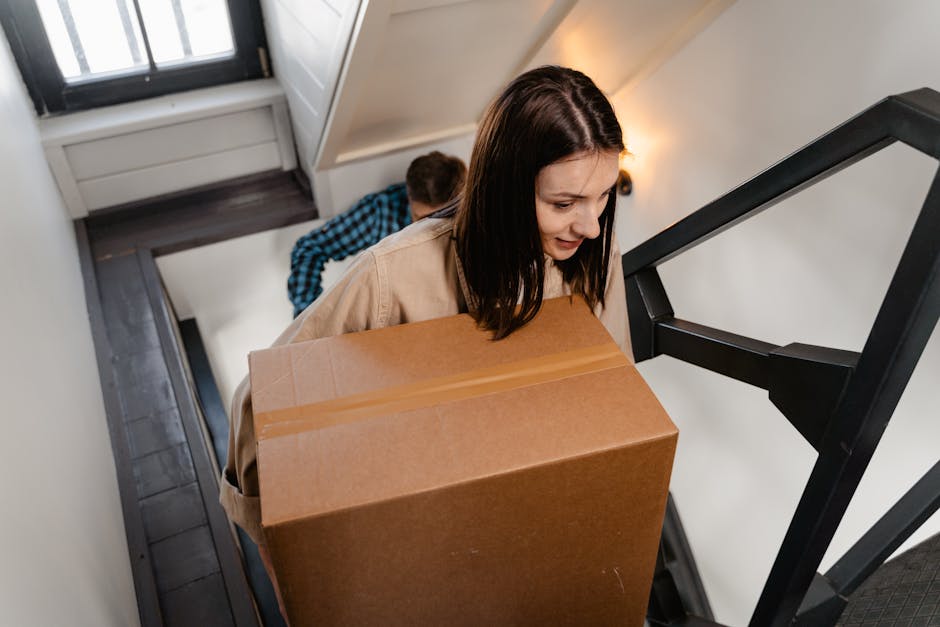
Moving house is stressful enough without a staircase that seems designed by someone with no furniture in mind. If you are moving with narrow stairs in Welling terraced homes, the challenge is usually not the distance between addresses, it is the pinch points inside the property: tight turns, low ceilings, awkward landings, and banisters that make every sofa look twice its size. The good news? With the right planning, the right order of work, and a calm approach, you can get through it safely and without turning the day into chaos.
This guide breaks down what makes narrow-stair moves tricky, how to prepare, which items need special handling, and when it makes sense to bring in professional help. It is written for real-world terraced houses in Welling, where the stairs can be deceptively steep and the hallway often feels narrower than you remembered. Let's face it, memory gets selective the moment you start measuring a wardrobe.
Why Moving With Narrow Stairs in Welling Terraced Homes Matters
Terraced homes in Welling often come with older layouts, compact landings, and staircases that were built for people, not for flat-pack wardrobes, divan bases, or oversized corner sofas. That matters because the staircase usually becomes the bottleneck of the move. If you cannot turn an item safely on the stairs, the whole schedule can slip, and a simple move starts to feel much bigger than it should.
There is also the safety side. Narrow stairs make it easier to catch knuckles, scrape walls, twist a back, or chip the item itself on the banister. In a tight hallway, one small mistake can turn into a domino effect. A box drops, someone steps back, a foot catches the bottom stair, and suddenly everyone is holding their breath. Not ideal.
In practical terms, moving through a narrow stairwell is as much about planning the route as it is about lifting. The best outcomes usually come from understanding the dimensions before moving day, stripping away anything that slows the flow, and deciding in advance which items should be dismantled, wrapped, carried by two people, or temporarily stored elsewhere. If you want a broader move-planning perspective, the advice in these zero-stress moving tips pairs well with this topic.
How Moving With Narrow Stairs in Welling Terraced Homes Works
At its simplest, the process is about matching the item to the staircase. Before anything is carried, you assess the width of the stairs, the height of the ceiling above the turning points, the size of the landing, and the shape of the object. A straight run is one thing; a tight turn with a radiator, a light fitting, or a stubborn bannister is another story altogether.
A good move usually follows a sequence like this:
- Measure the awkward bits first. Do not just measure the width of the stairs. Check the landing, door frames, hallway corners, and the item itself.
- Remove obstacles. Hall runners, loose mats, framed pictures, mirror stands, and slim shelves often get in the way more than people expect.
- Prepare the item. Take off legs, shelves, handles, doors, or any loose sections that make the item bulkier than it needs to be.
- Protect surfaces. Use blankets, corner protectors, and decent wrapping so the staircase and the item do not get battered.
- Use controlled movement. Move slowly, communicate clearly, and keep one person in charge of direction.
- Have a fallback plan. Sometimes the safest choice is to go through a different entrance, use a window route, or pause and rethink the item entirely.
The idea is not to force the move through. That is where damage happens. Instead, you create enough space, enough visibility, and enough control that the staircase stops feeling like an obstacle course. If you are preparing fragile belongings at the same time, packing in a calm, organised way can make a surprising difference to the stair run too.
Key Benefits and Practical Advantages
Handling a narrow-stair move properly brings more than just peace of mind. It saves time, protects belongings, and usually reduces the number of last-minute problems on moving day.
- Less risk of damage: When items are prepared correctly, they are less likely to catch on walls, railings, or corners.
- Faster movement through the property: A clear plan means fewer awkward stops halfway up the stairs.
- Lower physical strain: Good handling reduces the chance of back strain, shoulder strain, and that very specific ache you only get after carrying a wardrobe sideways.
- Better control in tight spaces: The move feels calmer when everybody knows their job.
- More confidence on the day: You are less likely to panic when the staircase is already measured and the route is already worked out.
There is another benefit people often overlook: narrow-stair planning can help you decide what not to move. Sometimes an item that looks reasonable in the living room turns out to be a terrible fit for the house. Knowing that early helps you avoid waste, stress, and unnecessary lifting. If you are already thinking about reducing load, the ideas in premove decluttering are worth using before you start carrying things downstairs.
Who This Is For and When It Makes Sense
This topic matters most for people living in older terraced housing, first-time movers who are not yet familiar with the property layout, and anyone moving large items through a shared hallway or a split-level staircase. It is also highly relevant if you are moving on your own, coordinating a small local move, or trying to fit a full household through a house that was not exactly designed with modern furniture in mind.
It makes sense when:
- the stairwell has a sharp turn or tight landing
- the item is large, heavy, or awkwardly shaped
- you are moving from an upstairs bedroom or loft room
- you want to avoid marks on fresh paint or wallpaper
- you are working to a narrow time window, such as an end-of-tenancy move
It is especially useful for people moving furniture in Welling's terraced streets where parking, access, and stair configuration all combine to create a slightly more complicated day than expected. In those cases, a general service like removals in Welling or a more specific option such as flat removals Welling can be a practical route because the move can be planned around access limits from the start.
Step-by-Step Guidance
If you are tackling narrow stairs, the key is preparation. Not frantic effort. Preparation. Truth be told, most "difficult" moves become manageable once the route is properly cleared and the bulky bits are broken down.
- Walk the route slowly. Start at the front door and move all the way to the final room. Notice the tight turns, ceiling drops, and any awkward door swings.
- Measure the item and the space. A tape measure is better than guesswork, and guesswork is where people get into trouble. Measure width, depth, height, and diagonal clearance where needed.
- Empty the item first. Drawers, shelves, and cupboards should usually be emptied before moving. Heavy contents make items unstable and harder to angle.
- Dismantle what you can. Beds, tables, wardrobes, and shelving units often move far more safely in parts. Keep fixings in a labelled bag.
- Protect the staircase. Use blankets or protective covers on railings and wall corners. It is a small effort that can prevent a very annoying repair later.
- Plan the carry order. Move the easiest and most delicate items first, or work from the top floor down if that suits the property and crew.
- Communicate every move. One person should call the direction changes: "up a bit," "turn," "pause," "clear." Short, clear instructions work best in tight spaces.
- Do a final check before lifting. Shoes, gloves, straps, and wrap should all be ready before the item leaves the room. No one wants to stop halfway down the stairs because the tape went missing.
For heavier items, the move often works better if you combine this with proper lifting technique. The practical guidance in kinetic lifting principles and solo heavy lifting advice can help you move more efficiently without relying on brute force.
Expert Tips for Better Results
A few small decisions make a huge difference with narrow stairs. These are the kinds of things experienced movers notice quickly.
Use the right angle, not the most direct one
An item does not always need to go up or down in a straight line. Sometimes a slight twist, a diagonal carry, or a brief pause at the landing gives you the extra inch you need. It feels a bit clumsy at first, but that is often the safer route.
Take off anything that makes the item wider than necessary
That includes legs, knobs, handles, and shelves. A sofa with removable feet is often easier to carry than people expect. The same applies to beds and mattresses, where a little preparation can save a lot of swearing later. If that is your main headache, this bed and mattress guide is a sensible companion read.
Keep the hallway clear for the person at the back
The person behind the item often has the least visibility and the most risk. Give them room. If the hallway is packed with boxes, coats, or bins, shift them out of the way before the item reaches the stairs.
Use furniture sliders and blankets where appropriate
They are not magic, but they do reduce friction and scuffing. Just make sure they are actually suited to the surface. A slider that slips halfway through the move is more nuisance than help.
Have an honest "too big" conversation early
Some furniture simply does not belong in a narrow-stair terraced home without professional handling. Better to say that before the item is wedged against the banister than after. No drama. Just realism.
And if the item is a piano, do not improvise. Pianos are in their own category entirely, which is why specialist handling exists. A dedicated article like expert piano-moving strategies is there for a reason.
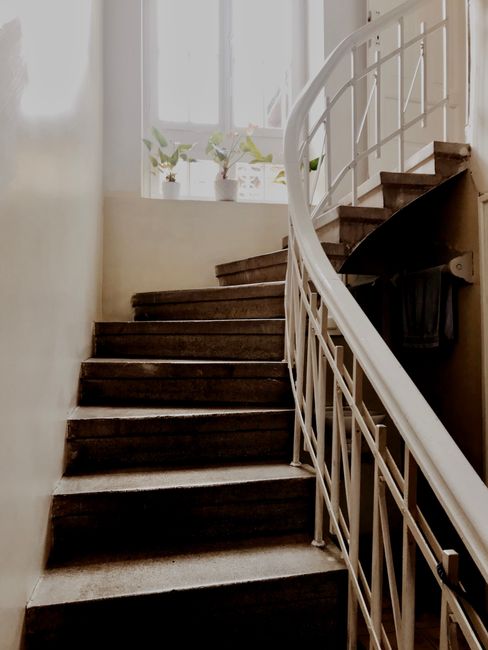
Common Mistakes to Avoid
Most stair-related move issues come from rushing or assuming a standard item will fit in a non-standard home. It happens all the time.
- Skipping measurements: "It should fit" is not a measurement.
- Forcing items around corners: If it needs brute force, it probably needs a different plan.
- Leaving the item assembled: A fully built wardrobe is far harder to handle than a dismantled one.
- Using too few people: Two people may be enough for one item, but not if the stairwell is awkward and the item is heavy.
- Ignoring the landing size: Many items fail on the turn, not on the straight staircase.
- Failing to protect surfaces: Fresh paint and narrow bannisters do not forgive much.
A very common one, and a slightly annoying one, is assuming the issue is the staircase when the real problem is hallway clutter. The stairs may be fine; it is the shoe rack, the recycling bag, and the coat stand that cause the snag.
Another mistake is leaving bulky furniture decisions until moving day. If you already know a sofa is borderline, check it before the van arrives. If needed, consider temporary holding through storage in Welling rather than gambling with a stairwell that is obviously too tight.
Tools, Resources and Recommendations
You do not need a warehouse full of kit, but the right tools help a lot. A good moving day in a terraced house usually includes a few basics.
| Tool or resource | What it helps with | Why it matters |
|---|---|---|
| Measuring tape | Stairs, landings, furniture dimensions | Prevents guesswork and bad fits |
| Removal blankets | Wall, banister, and item protection | Reduces scuffs and knocks |
| Gloves with grip | Better handling on smooth or heavy surfaces | Improves control and comfort |
| Ratchet straps or moving straps | Controlled carrying and stability | Helps with heavy or awkward furniture |
| Labelled bags or boxes for fixings | Furniture dismantling | Makes reassembly easier later |
For packing support, using proper boxes and sensible labelling can reduce clutter on the stairs and in the hallway. If you need a broader prep approach, packing and boxes in Welling is a useful service page to keep in mind, especially when the move needs to stay neat and organised from the start.
It can also help to read about the practical side of hiring moving support. Some jobs are best handled by a simple van-and-driver setup, while others need a more coordinated team. If you are comparing options, man with a van Welling, man and van Welling, and broader removal services in Welling can each suit different levels of complexity.
Law, Compliance, Standards, or Best Practice
For most domestic moves, there is no special law about narrow stairs themselves. The real issues are safety, reasonable handling, and making sure anyone helping is not exposed to avoidable risk. In plain English: do not take unnecessary chances, and do not make people carry something they cannot safely manage.
Good practice usually means:
- keeping pathways clear and dry
- lifting within sensible limits
- using the right number of people for the item
- protecting walls, bannisters, and floors
- stopping if the item starts to slip, tilt, or twist unpredictably
Professional movers also tend to work with internal safety processes, insurance arrangements, and route planning so that difficult properties are handled with more care. That is one reason a specialist local team can be a calmer option than a rushed DIY attempt. If you want to understand the standards behind that approach, the pages on health and safety and insurance and safety are useful references within the site.
There is also a quiet but important accessibility angle. Not every household has the same physical ability, and not every staircase should be treated as if a quick lift is harmless. If mobility, balance, or reach is a concern, it is better to adjust the plan than to push through. No prize for stubbornness here.
Options, Methods, or Comparison Table
There is more than one way to handle a move through narrow stairs. The best option depends on item size, number of floors, time pressure, and how confident you are with lifting and turning in tight spaces.
| Method | Best for | Pros | Limitations |
|---|---|---|---|
| DIY with friends | Light to medium items, short moves | Low cost, flexible timing | Higher risk if nobody has stair-moving experience |
| Small van and helper | Compact homes, manageable furniture | More control than going solo | May still struggle with very tight turns |
| Specialist removal team | Large furniture, awkward staircases, multiple rooms | Better planning, safer handling, faster execution | Usually costs more than a basic DIY approach |
| Temporary storage first | Items that are too bulky or not needed immediately | Reduces pressure on moving day | Requires an extra step later |
To be fair, there is no single right answer for everyone. A student move with a few boxes is one thing; a three-bedroom house with a heavy wardrobe and a narrow landing is another. If your move is time-sensitive, the page on same day removals in Welling may also be relevant, especially when access needs a quick, tidy solution.
Case Study or Real-World Example
Picture a typical terraced home near Welling where the staircase turns sharply halfway up and the upstairs landing is just wide enough for one person to stand aside. The move includes a double mattress, a bed frame, a three-seater sofa, and several packed boxes. Nothing outrageous on paper. But once the team reaches the stairs, the sofa becomes the problem item.
The first instinct is often to push harder. That is usually the wrong move. In this kind of property, the better approach is to pause, strip off removable sofa feet if possible, wrap the corners, and bring the item up on a slightly altered angle. One person guides from below, one from above, and the landing is cleared completely before the sofa is even touched. The difference is oddly dramatic. What looked impossible becomes awkward-but-doable.
In that same move, the wardrobe is dismantled before transport, the mattress is carried separately, and the boxes are staged in small groups rather than piled up in the hallway. That reduces clutter at the base of the stairs and stops the route from becoming crowded. The whole job becomes calmer, and the staircase stops being the villain of the story.
If the home also includes items that are especially bulky or hard to turn, it can be sensible to review item-specific guidance first. For example, a sofa can need different handling from a bed, and a piano is a completely different conversation altogether. The point is simple: the more the item resists the staircase, the more preparation it deserves.
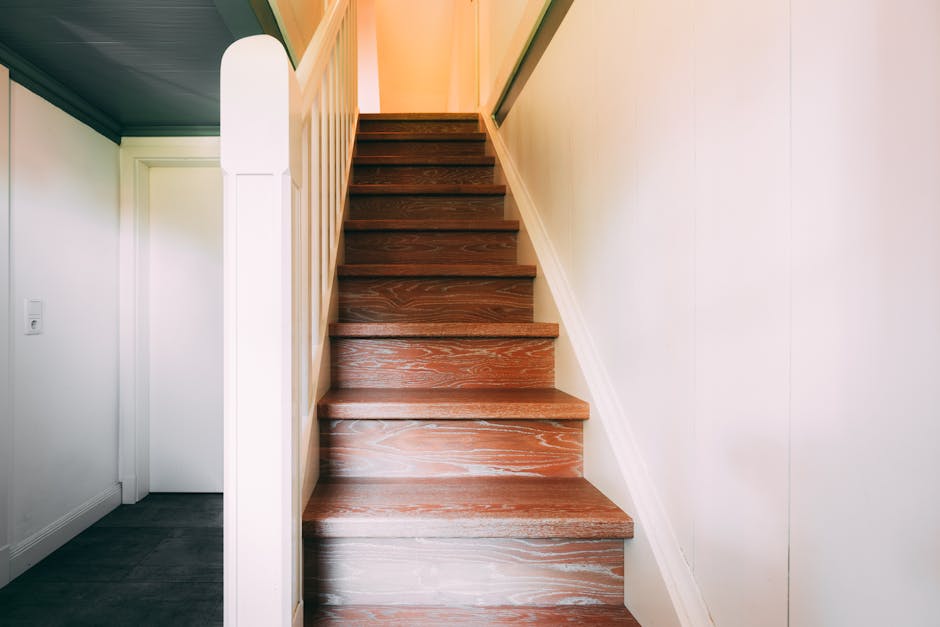
Practical Checklist
Use this simple checklist before you start carrying anything up or down the stairs.
- Measure the staircase, landing, and doorway clearances
- Measure the item at its widest point
- Remove obstacles from the hallway and stairs
- Protect walls, corners, bannisters, and floors
- Dismantle furniture where possible
- Empty drawers, shelves, and loose storage spaces
- Pack screws, bolts, and fixings in labelled bags
- Assign one person to direct the move
- Wear suitable shoes and gloves with grip
- Plan where each item will go before it enters the house
- Have a backup plan if the item does not fit cleanly
- Stop immediately if the lift becomes unstable
Expert summary: Narrow stairs are rarely a problem because one item is too heavy. They are a problem because the route is tight, the angles are awkward, and the item is often wider than the person lifting it expects. Measure first, strip down the item where possible, and keep the pathway clear. That simple shift saves time, stress, and a lot of bruised confidence.
Conclusion
Moving with narrow stairs in Welling terraced homes is one of those jobs that rewards calm planning far more than raw effort. If you measure carefully, remove unnecessary bulk, protect the property, and choose the right moving method, the whole process becomes much more manageable. It will still be a moving day, of course, so there may be a bit of sweat and a few muttered comments, but it does not need to spiral into damage or panic.
The real win is knowing when to adjust the plan rather than forcing a bad fit. That is what keeps people, furniture, and walls in better shape. And honestly, that is what makes the day feel under control.
If you are preparing a local move and want more structured support, it helps to review the wider moving services available and match them to your property's access needs.
Get a free quote today and see how much you can save.