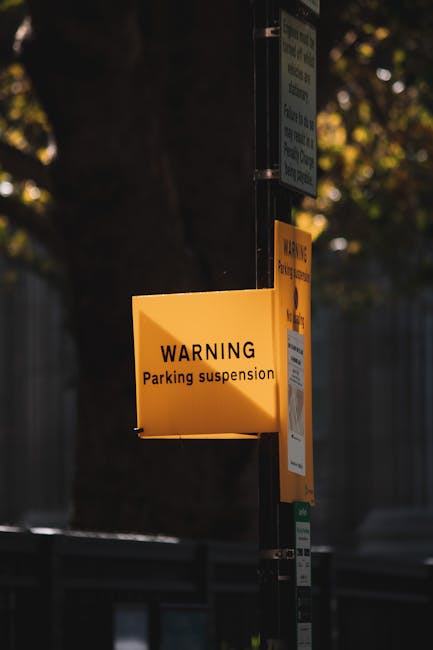
Parking Suspensions for Welling Moves: When You Need One
Posted on 29/07/2026
If you are planning a move in Welling, parking can become the thing that quietly ruins an otherwise tidy day. A van turns up, boxes are ready, the sofa is awkward, and suddenly there is nowhere legal, safe, or sensible to stop. That is where Parking Suspensions for Welling Moves: When You Need One comes in. It is not for every move, to be fair, but in the right situation it saves time, reduces stress, and helps the whole job run with far fewer headaches.
This guide explains what parking suspensions are, when they make sense, how they fit into a local move, and what to check before you assume you need one. You will also find practical examples, a checklist, common mistakes, and a realistic comparison of your options. If you are already juggling packing, cleaning, and timing, you may also want to look at moving house with less stress and packing tips that keep the day organised.
Why Parking Suspensions for Welling Moves: When You Need One Matters
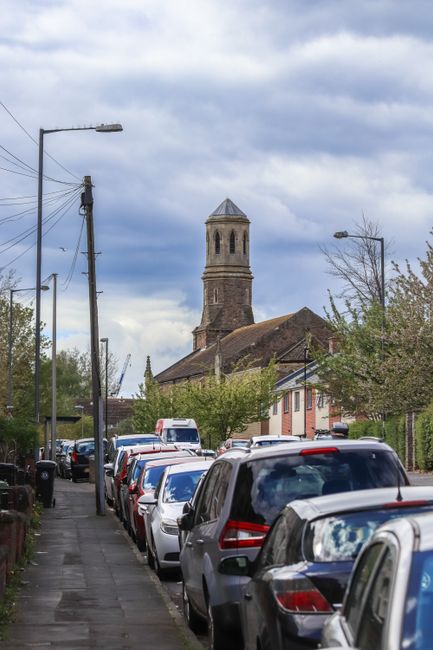
Parking is one of those moving details that feels minor until it is not. In Welling, many roads have tight kerb space, busy school-run periods, narrow stretches, or resident bays that are already full by mid-morning. If your removal van cannot park close enough to the property, the move can slow down immediately. That means more carrying distance, more trips, more risk of damage, and more fatigue for everyone involved.
Parking suspensions matter because moving is not just about transport. It is about access. A clear space near the entrance can make the difference between a smooth unload and a long, messy chain of small problems. A suspension can reserve enough space for the van, protect the route for loading, and reduce the temptation to double-park in a way that blocks neighbours or creates fines. Nobody wants the first memory of moving day to be a ticket under the windscreen wiper.
There is also a planning angle. If you are moving a flat, a family house, or a property with larger furniture, the van may need a stable position for several hours. That is especially helpful when handling heavier items such as wardrobes, beds, or fragile pieces. If your move also includes awkward furniture, a read through furniture removals in Welling can help you think through the access side early rather than late.
Expert summary: A parking suspension is not a luxury add-on. It is a practical access tool. You usually need one when road space is limited, the loading point is essential, and losing nearby parking would create avoidable delay or risk.
How Parking Suspensions for Welling Moves: When You Need One Works
In plain English, a parking suspension is a temporary restriction that prevents vehicles from using a specific section of road or parking bay for a defined period. For a move, that reserved space is usually used by the removal van, sometimes with cones or warning notices in place depending on local arrangements. The point is simple: keep the access point clear so loading and unloading can happen safely and efficiently.
The exact process can vary depending on the street, the type of bay, and the local authority arrangements in the area. In practice, you normally need to plan ahead. That may involve checking whether the road is controlled, whether the parking is shared or permit-based, and whether the time window you need is realistic. Some roads are more straightforward than others. Others, frankly, are a bit of a faff.
It helps to think of a parking suspension as part of the moving plan, not a last-minute rescue. The need is usually driven by one of these situations:
- the road is narrow and a van cannot park safely without blocking traffic;
- the property sits on a busy residential street with limited spare bays;
- loading needs to happen directly outside the entrance for heavy or fragile items;
- multiple vehicles are involved in the move;
- the property has restricted access, such as a basement flat or an awkward turning circle;
- you are moving at a time when parking pressure is already high.
For local context, reading about Bexley Council permits for Welling removals can be a useful next step if your move is in a controlled parking zone or permit-heavy street. And if your moving day is likely to be tight on time, choosing the best time to move on Welling High Street may matter just as much as the suspension itself.
Key Benefits and Practical Advantages
The main benefit is obvious: easier access. But there is more to it than that. When the van can park close to the property, the whole move becomes more controlled. In our experience, that tends to reduce chaos in a very ordinary, very human way. Fewer steps. Fewer awkward pauses. Fewer "where do I put this for now?" moments on the pavement.
Here are the practical advantages most people notice first:
- Shorter carrying distances for boxes and furniture.
- Lower risk of damage to walls, stairwells, furniture, and flooring.
- Less physical strain on whoever is lifting or guiding items.
- Better timing because loading is faster and more organised.
- Reduced chance of parking conflict with neighbours, visitors, or passing traffic.
- Cleaner vehicle positioning for items that need careful handling.
It also helps with morale, strangely enough. A tidy parking setup makes the day feel more intentional. Once the van is placed properly and the route is clear, everyone tends to settle. That calm matters. Especially if you are already trying to keep the kettle, the keys, and the cat all under control.
If your move involves difficult items, access planning becomes even more important. A piano, for example, benefits from shorter carry distances and steady positioning, which is why many people review expert strategies for moving a piano without harm before moving day. Likewise, a sofa or bed can become a real problem if the van has to park too far away.
Who This Is For and When It Makes Sense
Not every move needs a suspension. A straightforward driveway job, a quiet cul-de-sac with plenty of open space, or a property with private parking may not require anything special. But for many Welling moves, the question is not whether a suspension would be nice. It is whether the move will be awkward without one.
You are a strong candidate for a parking suspension if you are:
- moving from or into a terraced house with no driveway;
- relocating from a flat with shared street parking;
- dealing with bulky items such as sofas, wardrobes, or bed frames;
- moving on a busy road with daytime parking pressure;
- using a larger removal vehicle that needs room to load safely;
- running a same-day or time-sensitive move;
- coordinating several helpers and need a clear working area.
Students often assume they will not need this kind of planning, but student moves can be surprisingly busy, especially where parking is tight and time windows are short. If that sounds familiar, it may be worth exploring student removals in Welling as a way to keep the move simple. For flats, the issue is often more pronounced because loading is slower and access is shared, so flat removals in Welling can be particularly relevant.
There is a simple rule of thumb here: if losing the parking space would force the van to stop too far away, then you should at least consider a suspension. No drama, just practical thinking.
Step-by-Step Guidance
If you are trying to decide whether to arrange a suspension, use this sequence. It keeps the decision grounded and avoids paying for something you do not need.
- Walk the route yourself. Stand outside the property and look at the street with moving day in mind. Where would the van actually sit? Where would people carry items from?
- Check how much road space is available. A narrow road, a corner, a bend, or parked cars on both sides can quickly make access awkward.
- Consider the size and type of vehicle. A small van may squeeze into places a larger removal van cannot. If your move is likely to involve a bigger vehicle, think ahead.
- Estimate how long loading will take. A few boxes is one thing. A full house is another. Add time for stairs, waiting, or delicate items.
- Look at the moving window. Midday on a weekday can be very different from an early morning or weekend slot.
- Check whether a permit bay or controlled zone applies. If the street already has parking controls, space management becomes more important.
- Speak to your removal provider early. A good mover will usually tell you if access looks tight and whether a suspension would improve the job.
- Build the booking into your timeline. Do not leave it until the week of the move if the route is already constrained.
If you are still in the sorting phase, a practical declutter can reduce the number of items you need to move and, in turn, reduce pressure on the parking plan. That is why pre-move decluttering is not just about tidiness; it can affect the logistics too. The same goes for boxes and packing quality, so packing and boxes in Welling can be part of the access conversation, not just the storage conversation.
Expert Tips for Better Results
Here is the honest bit. The best parking plans are usually the boring ones. They are simple, checked early, and confirmed before anyone is carrying a wardrobe through a doorway at 8:15 in the morning.
1. Measure the real working space, not just the road. A van may fit in the street but still leave too little room for ramps, doors, or loading. You need working space, not just standing space.
2. Treat time as part of access. A short parking window can be almost as bad as no parking at all. If unloading is likely to take longer than expected, allow slack.
3. Match the plan to the heaviest items. A move with one heavy item can sometimes be managed without a suspension. Two wardrobes and a bed on a narrow street? That is a different story.
4. Keep communication simple on the day. If the driver, the helper, and the person holding the keys all know where the van is meant to be, things move faster. Sounds obvious. Still gets missed.
5. Combine the parking plan with lifting safety. Less distance means less carrying fatigue. That matters when handling items awkwardly, particularly if stairs are involved. For practical guidance on moving heavy items more safely, see heavy lifting techniques for solo moves and how kinetic lifting supports smoother movement.
One more thing: if you are moving a bed or mattress, parking directly outside can save a lot of frustration. It is hard enough getting a mattress round a corner without dragging it half a street. A read through moving your bed and mattress can help you spot the access pinch points early.
Common Mistakes to Avoid
Most parking problems are predictable. The trick is noticing them before moving day, not during it.
- Assuming the street will be fine. It might be quiet at 7 a.m. and packed by 9 a.m.
- Leaving the decision too late. If you need a suspension, last-minute requests are stressful and sometimes impossible to arrange.
- Not checking bay type. Resident bays, shared bays, and general kerb space are not interchangeable.
- Overlooking access around corners. A van parked "close enough" may still create a long, awkward carry.
- Forgetting about neighbours and other road users. Even a valid moving setup should be considerate and safe.
- Ignoring the size of the vehicle. The parking needs of a small van and a long-wheelbase vehicle are not the same.
- Not planning for waste or bulky items. If you are disposing of furniture on the same day, the parking setup may need to support that too.
If bulky furniture is part of the picture, it is sensible to think about the end-of-move journey as well. The article on bulky item disposal after a Welling move is useful because disposal often affects timing and vehicle positioning. And if your property has difficult stairs, read moving with narrow stairs in Welling terraced homes before you decide how tight the access plan needs to be.
Tools, Resources and Recommendations
You do not need a truckload of specialist equipment to decide whether a suspension is worth it. But a few simple tools make the planning much easier.
- Phone photos of the street from both directions, taken a few days before the move.
- A simple floor plan or moving note showing which items are large or fragile.
- Basic measuring tape for doorways, parking length, and turn spaces.
- A written moving timeline so access planning sits alongside packing and cleaning.
- Boxes labelled by room to reduce the time items spend outside the property.
It also helps to use related moving resources in the right order. For example, organising boxes first, then clearing furniture, then dealing with the parking setup, can be a bit backwards. A better sequence is usually access first, then lifting plan, then packing rhythm. If you want to streamline the rest of the move, cleaning before relocating and staying organised with packing will both support the day.
For people who are comparing service levels, it can also be helpful to review broader moving support such as the full services overview or removals in Welling. That way, you can see how parking access sits within the wider moving plan rather than treating it as a separate problem.
Law, Compliance, Standards, or Best Practice
Parking suspensions sit within local parking control, so the exact rules depend on the road and the relevant authority arrangements. Rather than guessing, always treat the street as a controlled space until you have confirmed otherwise. That is the safest and most professional approach.
Best practice usually looks like this:
- do not block emergency access;
- do not assume cones or informal saving of space are acceptable;
- check whether the road already has permits, bay rules, or loading restrictions;
- allow enough time for the arrangement to be set up properly;
- make sure the moving team understands the agreed access point;
- keep the loading area as safe and clear as possible.
It is also wise to treat parking as part of the wider health and safety picture. A poor access setup can create unnecessary lifting distances, rushing, crowding, and strain. If you want to understand how a mover thinks about risk and working methods, it is worth reviewing health and safety policy information and insurance and safety details. Those pages help frame the bigger picture without turning the move into paperwork central.
And yes, local compliance can feel a bit tedious. But it is much less tedious than dealing with a blocked bay, an angry neighbour, or a van that has to park four doors away because nobody checked the street properly. Not ideal. Not even close.
Options, Methods, or Comparison Table
If you are not sure whether a suspension is the right answer, compare the main access options side by side. Sometimes the answer is obvious after a few minutes on paper.
| Option | Best for | Pros | Limitations |
|---|---|---|---|
| Parking suspension | Narrow streets, busy bays, direct loading needs | Closest possible access, faster loading, clearer working area | Needs planning and may not suit very small moves |
| Standard street parking | Quieter roads with spare space | No special arrangement needed, simple and flexible | Can fail when demand is high or space disappears |
| Private driveway or forecourt | Homes with their own parking | Very convenient, low disruption, easy loading | Not available to everyone, may still be tight for larger vehicles |
| Remote parking plus extra carry distance | Smaller moves or low-pressure streets | No suspension needed, often quicker to arrange | More lifting, more time, more risk of strain or damage |
In many Welling moves, the choice comes down to whether you want to solve the problem in advance or manage it on the day. If the access is clearly tight, the suspension is usually the cleaner solution. If the street is open and the move is light, simple street parking may be enough.
Case Study or Real-World Example
Picture a two-bedroom flat move on a modest Welling street. The property has no driveway, the road has cars parked on both sides, and the main items include a sofa, bed, mattress, dining table, and several box loads. The move starts at about 8:30 in the morning, just as the street is waking up. Someone has already reversed out, another neighbour is heading to work, and the available space near the entrance is shrinking by the minute.
Without a reserved space, the van parks further down the road. Nothing is broken. Nobody panics. But the team now has a longer carry for every item, and the sofa needs extra care on the turn. The move still happens, of course, but it takes longer, the pathway gets busier, and the day feels more tiring than it needed to be.
Now imagine the same move with a sensible suspension or reserved loading arrangement. The van sits close to the entrance, the route stays clear, and the bigger items come out in a better order. The team spends more time moving and less time shuffling around vehicles or waiting for space to open up. It is not glamorous, but it is the difference between a job that feels manageable and one that feels like a small battle.
This is especially helpful when combined with proper packing, decluttering, and route planning. If you are moving from a place with tricky access, it may also be worth reading safe routes for large items in Danson Park moves and efficient local moves from Bellegrove Road to Welling Station for more local movement thinking.
Practical Checklist
Use this checklist a few days before the move. It is deliberately simple, because simple gets used.
- Check whether the property has private parking.
- Stand in the road and assess the true loading distance.
- Confirm whether the street is usually busy at your moving time.
- Measure the largest items that will need to come out first.
- Decide whether a van will need to stop directly outside.
- Consider whether stairs, turns, or narrow hallways will slow carrying.
- Ask your mover whether a suspension would reduce delay or risk.
- Review any permit, bay, or local parking restrictions for the road.
- Plan the order of loading so the heaviest items go first.
- Keep a backup plan in case the street becomes busier than expected.
If you are still weighing up whether to hire a van, use a mover, or book a fuller removal package, compare the options carefully. A good starting point is man with a van in Welling, man and van in Welling, or removal services in Welling. Different jobs need different levels of support, and that is perfectly normal.
Conclusion
Parking suspensions are not something every mover in Welling needs, but when access is tight, they can be the difference between a calm, efficient day and a frustrating, stop-start one. If the van needs to load close to the property, if the road fills up quickly, or if heavy items are involved, it is worth looking at the parking plan early rather than assuming it will sort itself out. It usually will not.
The best moves feel simple because the awkward bits were handled before the first box left the hallway. That is really the whole idea. Keep the route clear, keep the loading sensible, and keep the day human-sized.
Get a free quote today and see how much you can save.
And if you are still unsure, that is fine. A careful five-minute look at the street now can save a very long, very sweaty hour later. Sometimes that is all the difference.